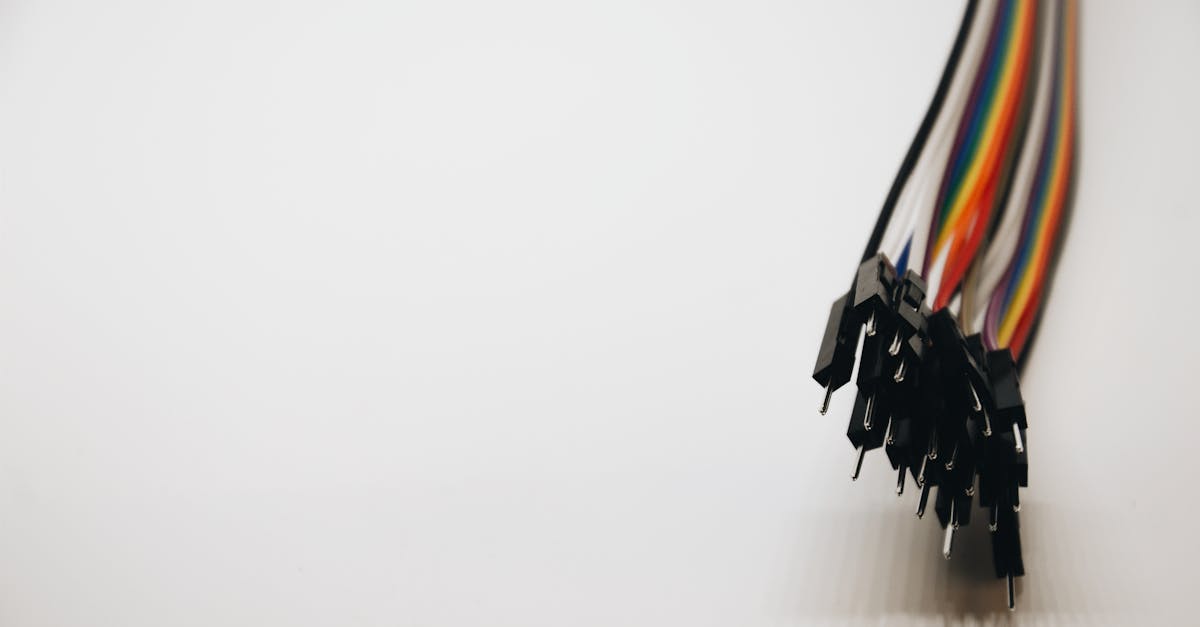
Selecting a dependable OEM wire harness manufacturer is crucial for brands looking to ensure safety, performance, and compliance in their products for 2026 and beyond. Whether you operate in automotive, aerospace, or consumer electronics, the right manufacturing partner impacts every aspect of your project, from prototype to production. This guide explains the steps and criteria that make the difference when choosing a manufacturer that matches your brand’s quality and operational needs, including key considerations relevant to industry leaders and respected providers such as XTJ CNC in Carmel, Indiana.
Key Takeaways
- Choosing a reliable OEM wire harness manufacturer is essential for ensuring product safety, performance, and regulatory compliance across industries like automotive and aerospace.
- Clearly defining your brand’s specific wire harness requirements, including certifications and environmental tolerances, streamlines communication and prevents costly mistakes.
- Prioritize manufacturers with recognized certifications such as ISO 9001, IATF 16949, and IPC/WHMA-A-620 to guarantee quality and adherence to industry standards.
- Evaluate a manufacturer’s technical capabilities and flexibility to handle prototyping through full-scale production, ensuring they can meet both current and future needs.
- Strong quality assurance with multi-point testing and compliance to standards ensures consistent wire harness reliability and long-term performance.
- Transparent communication, reasonable lead times, and adaptability to design changes are critical factors in selecting an OEM wire harness manufacturing partner.
Understanding OEM Wire Harness Manufacturing
OEM wire harnesses serve as the electrical backbone for many industries, providing organized and reliable connections vital for automotive systems, aerospace controls, telecommunications, and a range of consumer and industrial appliances. These harnesses must deliver consistent performance under rigorous environments, often enduring vibration, heat, moisture, and EMI (electromagnetic interference). Industry standards, such as IPC/WHMA-A-620, guide the design and verification of every harness used in OEM applications. Manufacturers like XTJ CNC understand the role of precision and adherence to specifications, offering advanced production technologies to ensure wire harnesses meet or exceed these expectations.
Defining Your Brand’s Specific Requirements
Before soliciting quotes or prototypes, clarify your application’s unique requirements. Does your harness need to withstand harsh automotive temperatures or resist chemical exposure for medical devices? Consider certifications needed, desired cable types, connector brands, integration with PCBs, and assembly constraints such as space or weight. Documenting these elements streamlines supplier conversations and reduces costly miscommunication. For brands in regulated sectors, ensure your prospective partner comprehends compliance needs, this includes traceability for aerospace or RoHS compliance for electronics. XTJ CNC’s team in Carmel, Indiana can help clients identify requirements during planning to avoid delays and ensure flawless custom integrations.
Key Qualities of a Reliable OEM Wire Harness Manufacturer
Not all wire harness manufacturers deliver the same level of quality or partnership. Prioritize companies holding recognized certifications: ISO 9001 for quality management, IATF 16949 for automotive, and IPC/WHMA-A-620 for assembly. Deep technical knowledge and hands-on industry experience matter, especially when managing custom challenges or tight deadlines. Gauge a manufacturer’s willingness to collaborate, it should be easy to share drawings, get design feedback, and discuss revisions. Responsiveness and transparency outweigh simply choosing the lowest price. Well-established firms like XTJ CNC emphasize proactive communication and have a history of supporting OEM brands across demanding industries.
Evaluating Manufacturing Capabilities and Certifications
Verifying a manufacturer’s technical capabilities ensures they can handle your current and future needs. Ask about their equipment for cutting, stripping, crimping, and testing wires across sizes and applications. Request proof of certifications, ISO 9001, IATF 16949, and UL are common must-haves. Understand if they are equipped for both high-mix, low-volume runs often needed for prototyping, and ramp up to full-scale production for product launch. Facilities like XTJ CNC invest in advanced machinery and continual operator training, offering robust support for a wide range of projects. Their commitment to certified, scalable production provides valuable assurance for OEM partners.
Assessing Quality Assurance and Testing Processes
Consistent reliability starts with strong quality assurance. Top manufacturers conduct in-depth inspections during every stage, component sourcing, subassembly, and final testing. Look for documented processes covering visual checks, continuity and resistance tests, and, when needed, high-pot or environmental stress tests. Stringent QC practices, such as 100% function testing, are expected in industries like aerospace or automotive. Adherence to IPC/WHMA-A-620 standards signals a serious approach to quality. At XTJ CNC, for example, each harness undergoes extensive multi-point testing to detect faults early, ensuring assemblies perform as designed in actual service conditions.
Comparing Lead Times, Communication, and Flexibility
Fast turnaround and transparent updates add significant value in OEM projects. Investigate typical lead times for prototyping, pilot runs, and full production, excess delays can stall product development and market entry. Reliable manufacturers keep you informed from quotation to delivery, minimizing surprises. Flexibility is key: can they accommodate late-stage design changes or urgent orders? Don’t let geographic proximity alone determine your choice, remote suppliers with proven communication systems often outperform local vendors without robust processes. XTJ CNC emphasizes both prompt response and adaptability for custom, rapid-turn solutions. This open communication helps brands avoid setbacks and keep projects on track.
Making the Final Decision: Red Flags and Smart Tips
Several warning signs should trigger caution before you sign a deal. Be wary of manufacturers who lack key certifications, avoid in-depth testing, or focus solely on undercutting price. Unresponsiveness and vague communication are major red flags that can lead to missed deadlines and product issues. Smart brands verify claims, request references, onsite audits, and sample builds. Check for active certifications and transparent quality procedures. Top industry providers, including Molex, TE Connectivity, and specialized firms like OurPCB, set the benchmark for reliability. In Indiana, XTJ CNC stands out for its transparency, collaborative service, and commitment to assisting OEMs in customizing solutions that deliver real-world performance and regulatory peace of mind.
About XTJ CNC
Business: XTJ CNC
Spokesperson: Hafiz Pan
Position: Director of Operations
Phone: +1 218 527 7419
Email: [email protected]
Location: 506 S Rangeline Rd, Carmel, IN 46032, USA
Website: http://xtjcnc.com
Google Maps Link: https://maps.app.goo.gl/2qt51vePKNrhhKZm6
Frequently Asked Questions about Finding a Reliable OEM Wire Harness Manufacturer
What certifications should I look for in an OEM wire harness manufacturer?
Look for recognized certifications such as ISO 9001 for quality management, IATF 16949 for automotive industry standards, and IPC/WHMA-A-620 for wire harness assembly to ensure reliability and compliance.
How can I define my brand’s specific requirements for a wire harness?
Identify factors like environmental resistance, necessary certifications (e.g., RoHS), connector types, integration with PCBs, and space or weight constraints to clearly communicate your application needs to manufacturers.
Why is quality assurance important when selecting an OEM wire harness manufacturer?
Quality assurance ensures that the harnesses perform reliably under harsh conditions through thorough inspections and testing like continuity, resistance, and environmental stress tests following industry standards.
How do lead times and communication impact choosing a wire harness manufacturer?
Fast lead times and transparent, responsive communication help prevent project delays, accommodate design changes, and keep production on schedule, which is critical for timely product launches.
Can I work with an OEM wire harness manufacturer remotely, or should I choose a local supplier?
Geographic proximity isn’t always a deciding factor; many remote manufacturers with strong communication systems and flexibility can provide reliable, timely services often surpassing local options.
What are warning signs of an unreliable OEM wire harness manufacturer?
Be cautious of manufacturers lacking key certifications, neglecting thorough testing, focusing only on lowest price, or demonstrating poor communication and unresponsiveness, as these can lead to quality and schedule problems.

