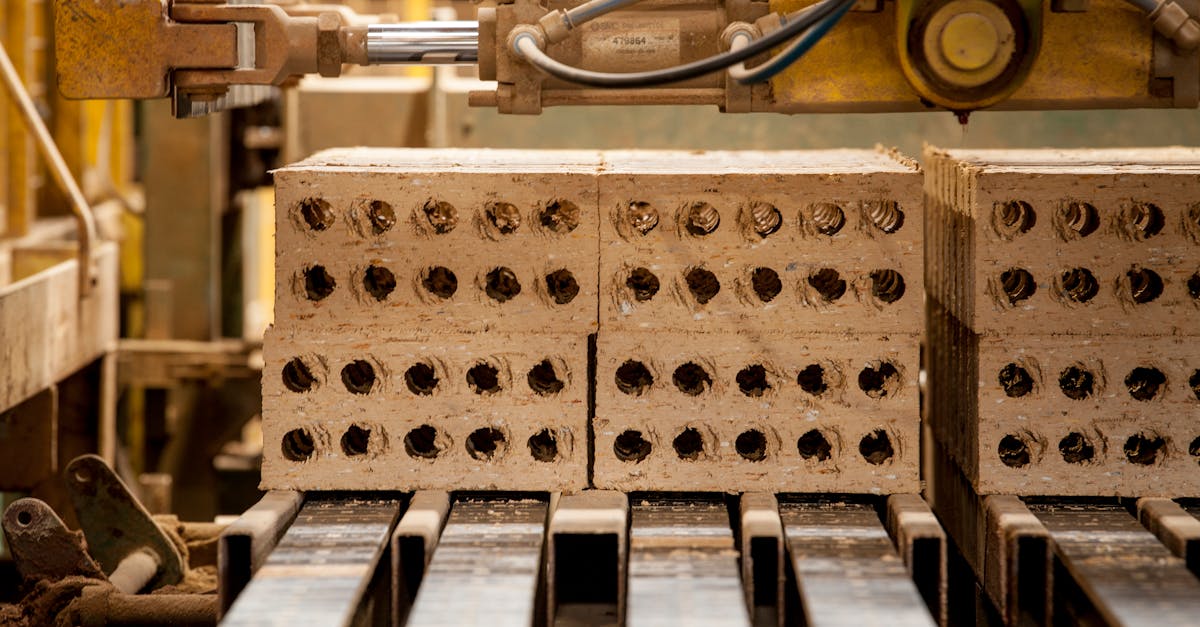
Selecting the right brick machine is essential for construction companies and contractors aiming to streamline brick production and maintain consistent quality. The right choice can boost productivity, control costs, and ensure that the specific brick types required for any project are reliably supplied. This guide explores the different types of brick machines, the main factors to consider during selection, and offers clear steps for evaluating and purchasing the best machine for your construction needs.
Key Takeaways
- Choosing the right brick machine boosts productivity and ensures consistent brick quality tailored to your construction needs.
- Consider production capacity carefully: manual machines suit small projects, while fully automatic machines deliver over 10,000 bricks per hour for large operations.
- Evaluate brick machine types—manual, semi-automatic, fully automatic, hydraulic, and clay extrusion—to match your project requirements and budget.
- Prioritize machine quality, durability, and energy efficiency to reduce downtime and control operational costs effectively.
- Ensure after-sales support and easy access to spare parts through local suppliers like Lontto for seamless maintenance and training.
- Follow a systematic purchasing process: assess needs, compare models, inspect quality, conduct tests, verify support, and finalize with clear contracts.
Understanding Different Types of Brick Machines
The manufacturing landscape for brick machines includes several distinct categories, each tailored to meet specific production requirements and budgets. Understanding these brick machine types helps contractors and construction businesses make informed decisions.
Manual Brick Machines
Manual brick machines operate with basic mechanical action and require direct human involvement for pressing and removal. They are best suited for small-scale projects in rural or remote locations where power supply may be limited and output demands are relatively low. Manual machines are cost-effective for new or low-volume operators and typically produce anywhere from a few hundred to several thousand bricks per day.
Semi-Automatic Brick Machines
Semi-automatic machines combine some elements of manual operation with mechanized features. These machines often require workers to manage loading, unloading, and some aspects of the pressing process. They fit companies with moderate production needs, providing greater speed and consistency than manual machines while still keeping operational costs controlled. Typical output ranges between 1,000 and 3,000 bricks per hour, which makes them ideal for medium-sized construction firms.
Fully Automatic Brick Machines
When high productivity and uniform quality are priorities, fully automatic brick machines are the preferred solution. These systems automate the entire process: feeding, mixing, molding, pressing, and even stacking. Industrial operations with large-scale construction projects benefit significantly from these machines, as they achieve outputs above 10,000 bricks per hour and require minimal supervision. Automation also ensures uniformity and reduces labor costs, making them suitable for urban developers or contractors managing rapid build schedules.
Hydraulic Brick Machines
Hydraulic brick machines use powerful hydraulic systems, commonly delivering pressing forces between 10 and 30 MPa. They are valued for their ability to produce dense, strong bricks with superior durability, important for both structural and paving applications. Popular with organizations that prioritize robust outputs and seek long-lasting building materials, hydraulic machines can be found in both semi-automatic and fully automatic configurations.
Clay/Extrusion Brick Machines
Companies that primarily use clay or unique raw materials will look to clay extrusion brick machines. These units drive raw materials through a die using a force of roughly 15-25kN, extruding continuous ribbons of clay before cutting them into bricks. This method is highly efficient for mass production from clay deposits and is essential for making traditional red bricks and custom shapes used in specialized projects.
Each machine type serves specific operational contexts. In the Chicago area, Lontto offers a lineup covering all these categories, enabling local contractors to choose machines closely aligned with their production volumes, automation preferences, and desired brick specifications.
Key Factors to Consider When Selecting a Brick Machine
To select the best brick machine for your construction needs, several critical factors need careful consideration. Making a well-informed choice ensures optimal investment value and reliable output for every job.
Production Capacity
The first factor to evaluate is your required production capacity. Small-scale operations can work efficiently with machines that produce 1,000 to 3,000 bricks per hour, while mid-size contractors and larger construction firms should consider equipment capable of over 10,000 bricks per hour. Lontto provides a clear breakdown of each model’s maximum output, supporting businesses in choosing equipment that neither over- nor under-produces.
Brick Types and Sizes
Flexibility in brick types and sizes is a major selling point. Your projects may need standard red bricks (like 240x115x53mm), hollow blocks, interlocking bricks, or paving stones. Machines with adjustable or interchangeable molds allow you to adapt your production to new building codes, client needs, and design standards, an advantage seen across Lontto‘s range.
Power Requirement and Energy Efficiency
Consider the machine’s power demand and operational efficiency. Smaller models often require 15-20kW, while large-scale automatic machines draw 50-100kW and may consume 15-100kWh per hour depending on workload. Balancing power usage against your utility infrastructure and operating budget is crucial, especially in areas with high electricity rates.
Machine Quality and Durability
Robust construction and longevity are vital. High-strength steel frames, superior hydraulic systems, advanced vibration technology, and wear-resistant parts contribute to a machine’s lifespan and ease of maintenance. Lontto‘s machines are engineered with these features and are tested for industrial demands, reducing downtime and safeguarding your investment.
Maintenance and After-Sales Support
Easy access to spare parts, straightforward routine maintenance, and comprehensive after-sales support are essential for sustainable machine operation. Choose a manufacturer with a presence in your region to ensure prompt assistance, training, and access to parts. Lontto‘s Chicago support helps local businesses resolve issues quickly, minimizing production interruptions.
Budget and Automation Level
Assess your available capital and balance up-front machine costs against operational savings from automation, lower labor, and improved product consistency. Budgeting for total cost of ownership, including energy, maintenance, and upgrades, lets you plan for business growth without surprise expenses. Fully automatic machines may require more initial investment, but over time, greater productivity and fewer errors can offset the cost.
Factoring in these aspects makes certain your brick machine fits your current and future project needs, and that it remains an asset as your business evolves.
Practical Steps for Evaluating and Purchasing the Ideal Brick Machine
Choosing the right brick machine involves a systematic approach to ensure you get dependable performance, product flexibility, and strong after-sales support from a supplier like Lontto. Here’s a step-by-step process tailored for construction professionals:
1. Assess Your Needs
Begin by defining your day-to-day production goals: estimate the number of bricks required, identify the types and quality specifications necessary, and consider any seasonal variations in demand. This initial assessment narrows your search to machines aligned with your actual requirements.
2. Research and Compare Models
Once you have a clear set of needs, compare technical specifications like molding pressure, power requirements, versatility in mold types, and adaptability for future upgrades. Factor in machine footprint and operational logistics, ensuring your chosen machine fits your available space and workforce capabilities. Lontto‘s model datasheets help side-by-side comparisons for organizations in Chicago and beyond.
3. Evaluate Machine Quality
Inspect machines for build quality, focusing on materials such as heavy-duty steel frames, industrial-grade hydraulics, and wear-resistant components. Ask manufacturers for demonstrations or live operating videos to assess the machine’s performance and end-product consistency. Request references or site visits to see machines operating in similar environments.
4. Conduct On-Site Tests or Visits
Whenever possible, arrange a trial run or pilot production session with the shortlisted machines. On-site machine visits help you observe actual energy usage, cycle times, and operational noise. Verifying stated energy consumption and output rates under real conditions avoids surprises post-purchase.
5. Consider After-Sales Support and Training
Check the supplier’s commitment to training, spare parts availability, and ongoing maintenance support. Confirm there is a support team in your region to address technical issues promptly. Lontto‘s local presence allows for timely technical assistance and operator training, supporting smooth handover and long-term machine reliability.
6. Make the Purchase
After weighing all technical, financial, and operational elements, select a model that offers the best balance between budget and projected reliability. Prioritize established manufacturers whose track records demonstrate stability and product longevity. Clear contracts and post-sale support agreements should be in place before purchasing to safeguard your investment and ensure a smooth transition into daily use.
Following these practical steps enables construction businesses to select and carry out a brick machine solution tailored to their needs, laying a firm foundation for efficient, high-quality brick manufacturing.
About Lontto
Business: Lontto
Spokesperson: Chao Zhang
Position: CEO
Phone: 708 260 8300
Email: [email protected]
Location: 4992 S Austin Ave, Chicago, IL 60638, USA
Website: https://www.block-machine.net/
Google Maps Link: https://maps.app.goo.gl/fTprzmgUFjGYgBBL9
Frequently Asked Questions About Choosing the Right Brick Machine
What are the main types of brick machines available for construction projects?
Brick machines include manual, semi-automatic, fully automatic, hydraulic, and clay/extrusion types, each suited for different production scales, automation levels, and material requirements.
How do I determine the ideal production capacity for a brick machine?
Assess your daily brick output needs; small operations often require machines producing 1,000-3,000 bricks per hour, while large firms may need capacity over 10,000 bricks per hour to meet project demands efficiently.
Why is mold versatility important when choosing a brick machine?
Versatile molds allow production of various brick types and sizes, such as hollow blocks, interlocking bricks, and paving stones, enabling adaptation to different project specifications and building codes.
What power considerations should I keep in mind for brick machines?
Consider the machine’s power consumption (typically 15-20kW for small units and up to 100kW for large automated machines) alongside your site’s electrical infrastructure and operating costs for energy efficiency and budget control.
How do hydraulic brick machines differ from other types?
Hydraulic machines apply high pressing forces (10-30 MPa) to produce dense, strong bricks with superior durability, ideal for structural and paving applications requiring long-lasting building materials.
What steps should I follow to evaluate and purchase the best brick machine for my construction needs?
First, assess your production goals and brick specifications. Next, research and compare models by technical specs and quality. Then, conduct site tests or visits, review after-sales support, and finally select a reliable machine balancing budget and operational needs.

