I am regularly asked how eye tracking, or gaze-contingent eye control, will be used in consumer applications in the future. It is a tricky area, as our eyes are not good at fine motor control. Until recently the technologies to accommodate our eyes’ capabilities and allow gaze control have not been readily available; but things are changing!
In this post I’d like to introduce the concept of eye control as we know it and then show some new work on reading eBooks or the Web that really gets me excited!
Assistive Technology
For many years, Tobii Assistive Technology has been providing solutions for people with physical disabilities to control the computer with their eyes. The cost and size of these devices is rapidly decreasing, making it much more accessible to a wider range of people.

Eye Control for Specialist Applications
At a more specialised level it is widely recognised that eye tracking may help the design process by allowing people to do more than their hands can alone. Eye tracking has also been successfully trialled for simple menu interactions in laparoscopic surgery, where doctors can use an eye tracker to do things on screen while their hands are busy.

Eye Control Games
Eye tracking has also been done plenty of times in the gaming context. Here’s a Tobii X120 used for controlling World of Warcraft.

So, where is all this headed?
Reading Enhanced With Eye Control
Recently I found an example from researchers at the German Research Centre for Artificial Intelligence (DFKI). They used a Tobii C12 with the CEye eye-control module to show how interaction with a book can be augmented with the eyes, for everyone!

Here’s a further introduction to their concept of Text 2.0.

I love the bit at the end where the system faded out the irrelevant text once it knew you were speed reading.
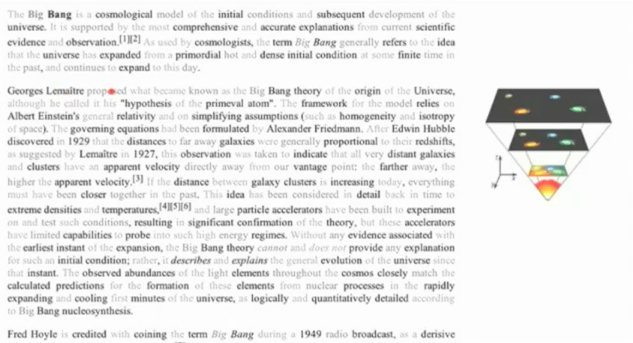
Research on consumer eye-control applications is significantly advanced and it might not be long before all of us can have it at home!
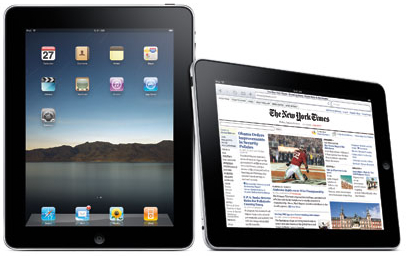
Apple! Please strap some of this kit onto your next iPad please!!
Have you seen great examples of cutting-edge technology research pointing toward ways of improving the consumer experience? Please share them with me!

